
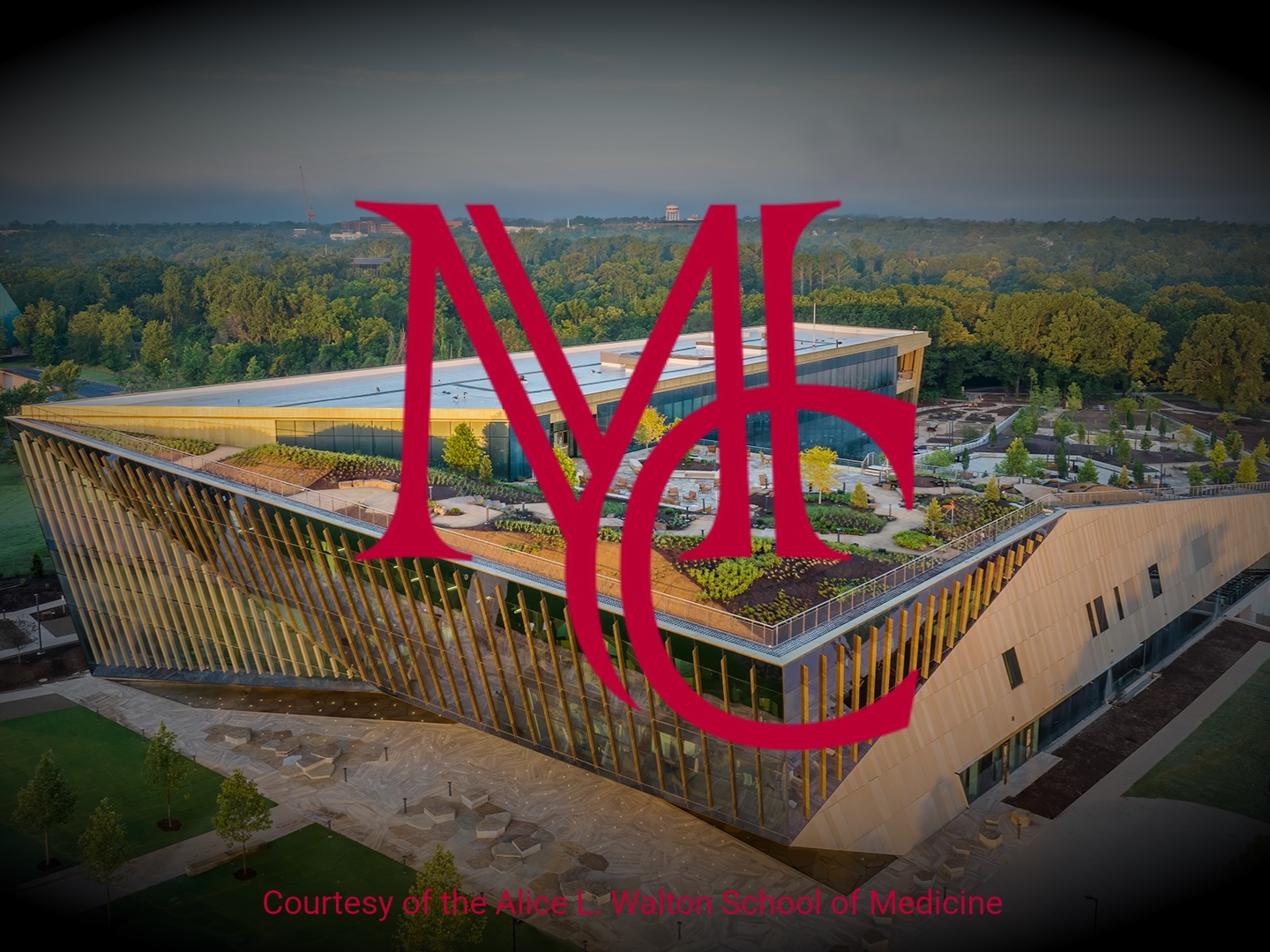
A critical shortage of physicians across Arkansas—and particularly in Northwest Arkansas—is being addressed through an ambitious new initiative: the Heartland Whole Health Institute has launched a statewide Graduate Medical Education (GME) Technical Assistance Center designed to help hospitals and health systems develop and expand residency programs that keep doctors in the state and region after training.
The Northwest Arkansas Physician Shortage: A Defining Challenge
Arkansas faces a profound healthcare workforce crisis. The state graduates approximately 430 physicians annually, yet only 375 residency positions exist for them—meaning 55 new doctors must leave the state or forgo specialized training. For Northwest Arkansas communities like Bentonville, Rogers, Fayetteville, and Springdale, where population growth has been explosive over the past two decades, this mismatch has real consequences.
According to the Heartland Whole Health Institute, roughly one-third of Arkansans live in health professional shortage areas. In rural Benton and Washington County communities, some areas lack even a single primary care provider. Angela Lappin, Vice President and Chief of Value-Based Initiatives at the institute, underscores the urgency: many Arkansans must drive more than 50 miles to access basic healthcare. For a region attracting thousands of new residents and businesses annually, this gap threatens both quality of life and economic competitiveness.
Why Residency Expansion Matters for Northwest Arkansas
Key facts on physician retention through residency placement:
- Physicians are significantly more likely to practice near where they complete residency training
- Expanding in-state residency capacity directly increases the likelihood doctors stay in Arkansas
- Northwest Arkansas' rapid growth intensifies demand for specialist and primary care physicians
- Rural and underserved counties in NWA face the most acute access barriers
The data is clear: doctors who train in a community tend to plant roots there. By expanding residency opportunities within Northwest Arkansas hospitals and health systems, the GME Technical Assistance Center creates a pipeline to keep medical talent local. For growing communities like Bentonville and Rogers—where population and business activity continue to surge—this means strengthening the healthcare workforce that serves thousands of new residents and their families each year.
Health Outcomes and the Case for Local Physician Growth
Beyond access, Arkansas ranks near the bottom nationally in critical health indicators. The state struggles with high rates of obesity, diabetes, and hypertension—chronic conditions that require sustained physician management and patient education. Lappin notes that expanding the physician workforce is essential to reversing these trends. For Northwest Arkansas specifically, where economic growth has drawn diverse demographics and rising income levels, ensuring adequate physician capacity to address both preventive and chronic disease management is foundational to sustaining the region's appeal as a place to live and work.
The Heartland Whole Health Institute and the Alice Walton School of Medicine have positioned residency expansion as a cornerstone strategy for workforce development. The new technical assistance center will work directly with hospitals, health systems, and community organizations across Arkansas—including those in Northwest Arkansas—to identify opportunities for new residency programs and expand existing ones.
What This Means for Northwest Arkansas Residents and Investors
For families and individuals relocating to Northwest Arkansas, healthcare quality and accessibility are primary quality-of-life considerations. Businesses evaluating the region as a headquarters or expansion location factor workforce health benefits and community healthcare strength into their decisions. The expansion of residency programs signals a commitment to strengthening Northwest Arkansas' healthcare infrastructure—a competitive advantage as the region continues to attract talent and capital.
For real estate investors and developers in Bentonville, Rogers, Fayetteville, and surrounding communities, improved healthcare access enhances property values and neighborhood desirability. Medical professionals and healthcare workers are among the region's fastest-growing professional segments, and robust residency programs create employment and economic stability that support long-term real estate fundamentals.
Whether you're a buyer relocating to Northwest Arkansas and weighing neighborhood healthcare access, a seller positioning your property in a growing market, or an investor evaluating commercial or multifamily opportunities tied to healthcare sector growth, understanding the region's healthcare trajectory is essential to making informed decisions. MCG has worked with clients across all three segments to navigate Northwest Arkansas' rapid evolution—from understanding how healthcare expansion shapes neighborhood dynamics to evaluating land and development opportunities tied to medical facility growth. Visit masoncapitalgroup.com to discuss how these healthcare initiatives impact your real estate strategy in Northwest Arkansas.
Northwest Arkansas has always been a place where community and opportunity converge. The commitment to expanding physician residencies reflects a deeper vision: a region where healthcare is accessible, outcomes improve, and families and professionals can thrive. If you're considering your next move in Bentonville, Rogers, Fayetteville, or the surrounding region—whether as a homeowner, investor, or business leader—we'd welcome the conversation at masoncapitalgroup.com.
Source: 5 News Online, "Heartland Whole Health Institute launches GME program to expand physician residencies across Arkansas" (June 2026). Mason Capital Group is not affiliated with and does not endorse the source publication or its parent organization.