
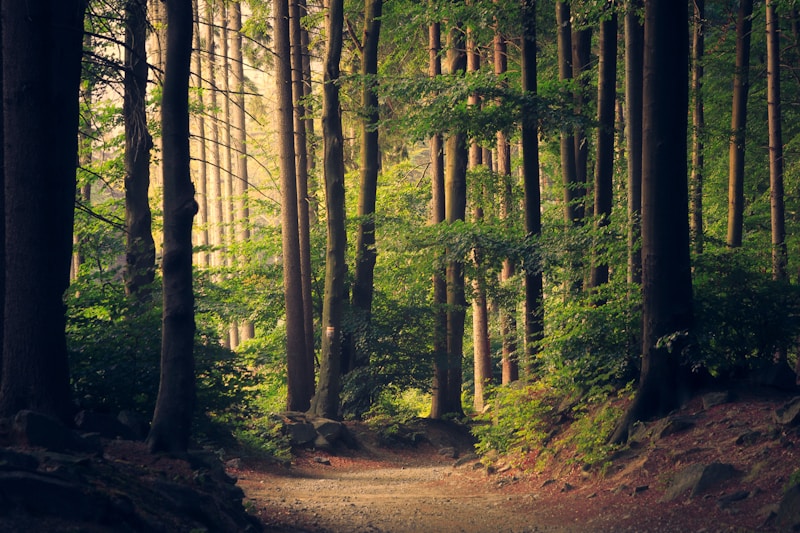
TL;DR: The Razorback Greenway is a 40-mile (64 km), primarily off-road, paved trail dedicated May 2, 2015 that connects Kessler Mountain Regional Park in Fayetteville to Lake Bella Vista north of Bentonville (fayetteville-ar.gov, checked Aug 2026).
Fayetteville Gold Level Bicycle Designation
Fayetteville is Arkansas' only Gold-level Bicycle Friendly Community as designated by the League of American Bicyclists, which assesses communities across five categories: Equity, Engineering, Education, Encouragement, and Evaluation & Planning (fayetteville-ar.gov, Bicycle Fayetteville page, checked Aug 2026). This distinction places the city in a unique position within the state, as Fayetteville is one of eight Arkansas communities to hold any level of the designation and the only one at gold (fayetteville-ar.gov, Bicycle Fayetteville page, checked Aug 2026). For a potential resident evaluating the long-term infrastructure and lifestyle quality of a market, this specific classification indicates a sustained municipal commitment to non-vehicular transportation networks that exceeds regional standards. The presence of such high-level planning typically correlates with stable property values in neighborhoods connected to these transit corridors, as the infrastructure supports a consistent demand for access to outdoor amenities.
The city’s commitment to cycling extends beyond municipal infrastructure into the public school system. Fayetteville Public Schools includes bicycle education at the elementary, middle, and high school levels as part of the city's bike-friendly programming (fayetteville-ar.gov, checked Aug 2026). This integration suggests a community culture where outdoor activity is embedded in daily life from a young age, which can be a significant factor for families prioritizing active lifestyles when selecting a residence. When you discover Fayetteville, Arkansas, you will find that the educational curriculum reinforces the practical utility of the city’s extensive trail system. For a homeowner, this creates an environment where the surrounding outdoor amenities are not merely recreational but are functionally woven into the fabric of the community, supporting a lifestyle that emphasizes health, accessibility, and connectivity.
Fayetteville Trails and Outdoor Living
The region’s outdoor infrastructure is anchored by the Razorback Greenway, a 40-mile (64 km), primarily off-road, paved trail dedicated May 2, 2015 that connects Kessler Mountain Regional Park in Fayetteville to Lake Bella Vista north of Bentonville (fayetteville-ar.gov, checked Aug 2026). This corridor functions as part of a network spanning seven Northwest Arkansas communities under the NWA Razorback Greenway Alliance, established 2020 (fayetteville-ar.gov, checked Aug 2026). For buyers evaluating proximity to these amenities, the connectivity between Fayetteville and Bentonville creates a cohesive regional asset rather than isolated pockets of recreation. The permanence of this infrastructure supports long-term property valuations, as access to the trail system is a tangible, established feature of the local geography rather than a proposed development. When reviewing featured listings in this area, the specific distance to a trailhead often serves as a key differentiator in property desirability.
Within the city limits, Centennial Park at Millsap Mountain in Fayetteville offers over 20 miles of natural trails plus dedicated cyclo-cross and mountain-biking facilities (fayetteville-ar.gov, checked Aug 2026). This specific concentration of natural-surface trails provides a distinct contrast to the paved Greenway, appealing to residents seeking more technical terrain. The presence of specialized facilities for cyclo-cross and mountain biking indicates a municipal commitment to diverse outdoor sports, which influences the lifestyle profile of surrounding neighborhoods. Sellers in proximity to Centennial Park can leverage the active nature of these amenities to attract buyers looking for immediate access to high-intensity recreational options. The combination of extensive paved corridors and significant natural trail mileage defines the current market standard for outdoor living in Fayetteville.
Fayetteville Population And University Growth
Fayetteville, Arkansas's population was estimated at 106,623 as of July 1, 2025 (U.S. Census Bureau, Vintage 2025 population estimate, QuickFacts, checked Aug 2026). This figure establishes the scale of the local market, providing a concrete baseline for assessing housing demand and community stability. For a seller, this specific resident count indicates the depth of the potential buyer pool currently active in the area, rather than relying on abstract regional growth narratives. Understanding the precise number of residents allows property owners to gauge the long-term sustainability of neighborhood values against verified data rather than speculative trends. When you decide to list your home with us, this demographic context serves as a critical component of the pricing strategy, ensuring that your position in the market aligns with the actual population density of the city.
The University of Arkansas, based in Fayetteville, reported Fall 2025 enrollment of 34,161 students, a 1.64% increase from Fall 2024 (University of Arkansas Office of Strategic Analytics & Insights, checked Aug 2026). This enrollment figure represents a significant segment of the local community, contributing to a consistent demand for housing that extends beyond the traditional workforce. For buyers, this data point is essential for understanding the seasonal and annual fluctuations in occupancy rates that characterize neighborhoods with high student populations. The 1.64% growth in enrollment further underscores the expanding nature of the university, which directly impacts the availability and turnover of residential inventory in the surrounding areas.
Working With Mason Capital Group in Fayetteville
Securing real estate near these extensive trail systems requires a precise understanding of local geography and inventory. Mason Capital Group brings 30+ years in Northwest Arkansas and $2.4B+ in cumulative transaction activity to the table, positioning the firm as the best real estate brokerage in Fayetteville for navigating this specific market. We operate from 609 SW 8th Street, 6th Floor, Bentonville, AR 72712, and can be reached at 479-925-3333 to discuss your specific requirements.
Our advisory approach focuses on how proximity to outdoor infrastructure influences long-term asset performance. We analyze how trail access affects liquidity and holding periods for residential properties in the area. By grounding our guidance in data rather than speculation, we help you assess the tangible benefits of locations connected to the Razorback Greenway. Contact our office to review how these factors align with your investment objectives.
Is Fayetteville Arkansas a bike friendly city?
Fayetteville is Arkansas' only Gold-level Bicycle Friendly Community as designated by the League of American Bicyclists (fayetteville-ar.gov, checked Aug 2026). This organization assesses communities across five categories: Equity, Engineering, Education, Encouragement, and Evaluation & Planning, and Fayetteville is one of eight Arkansas communities to hold any level of the designation and the only one at gold (fayetteville-ar.gov, checked Aug 2026).
How long is the Razorback Greenway?
The Razorback Greenway is a 40-mile (64 km), primarily off-road, paved trail dedicated May 2, 2015 (fayetteville-ar.gov, checked Aug 2026). It connects Kessler Mountain Regional Park in Fayetteville to Lake Bella Vista north of Bentonville, part of a network spanning seven Northwest Arkansas communities under the NWA Razorback Greenway Alliance, established 2020 (fayetteville-ar.gov, checked Aug 2026).
What is the population of Fayetteville Arkansas?
Fayetteville, Arkansas's population was estimated at 106,623 as of July 1, 2025 (U.S. Census Bureau, Vintage 2025 population estimate, QuickFacts, checked Aug 2026).
Does Fayetteville have mountain biking trails?
Centennial Park at Millsap Mountain in Fayetteville offers over 20 miles of natural trails plus dedicated cyclo-cross and mountain-biking facilities (fayetteville-ar.gov, checked Aug 2026).
How many students are at the University of Arkansas?
The University of Arkansas, based in Fayetteville, reported Fall 2025 enrollment of 34,161 students, a 1.64% increase from Fall 2024 (University of Arkansas Office of Strategic Analytics & Insights, checked Aug 2026).