
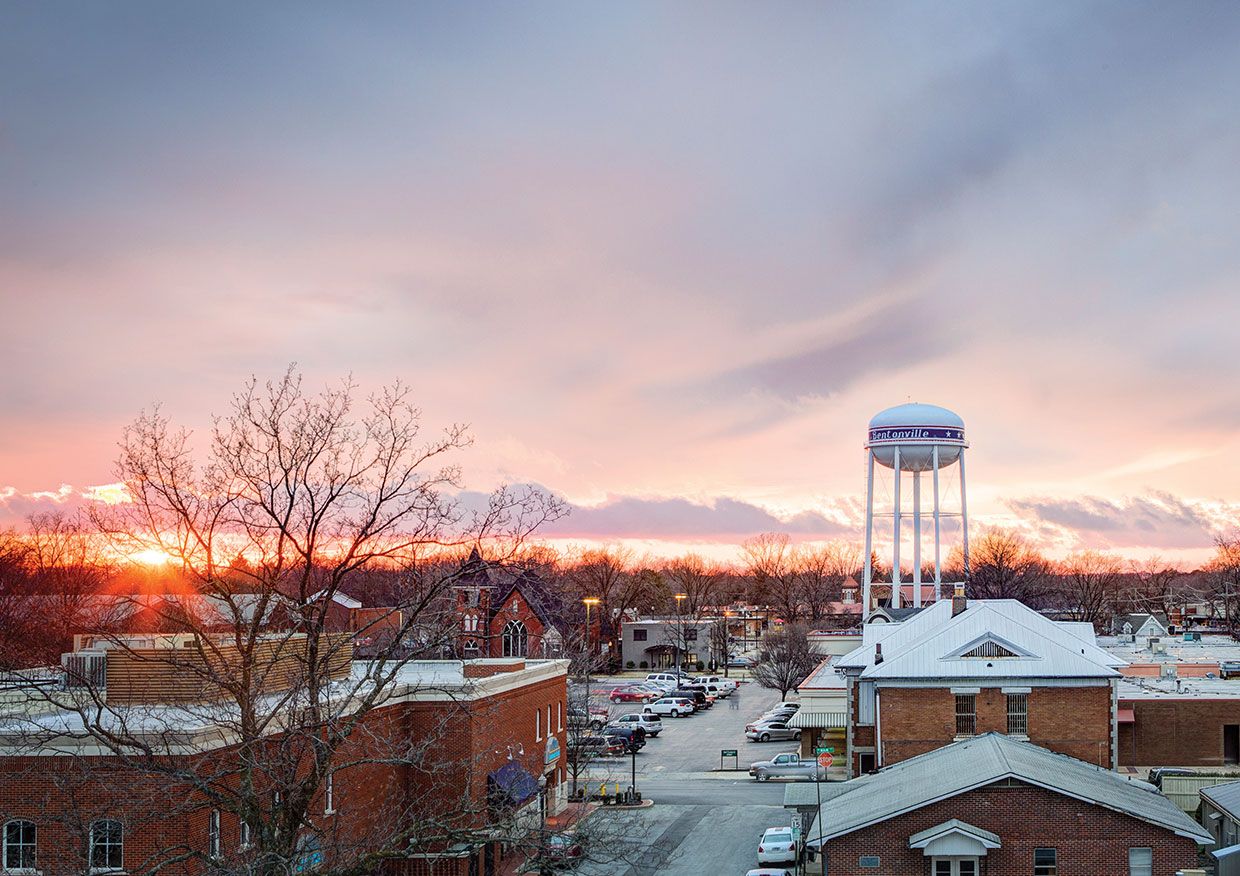
The Investment Case for Arkansas Real Estate in 2026
Arkansas has transitioned from a peripheral market in real estate investment conversations to a legitimate opportunity set warranting capital deployment. The reasons are structural, not cyclical, and justify investor action during the current window.
Arkansas's Economic Trajectory
Arkansas has created jobs faster than the national average over the past decade. Corporate headquarters relocated to the state—Walmart in Bentonville, Tyson in Springdale. Unemployment remains below national average. Per-capita income has grown steadily. Population growth in core metros (Rogers-Bentonville, Fayetteville) exceeds Midwestern norms by meaningful margins. This is disciplined, employment-driven economic expansion. The state's cost structure, tax environment, and pro-development regulatory posture have attracted capital and talent.
Real Estate Supply-Demand Imbalance
Arkansas housing supply has not kept pace with population inflows and income growth. Vacancy rates remain low. Rent growth continues at 3-5 percent annually. Price appreciation in core markets (Rogers, Bentonville) continues. For investors, persistent supply-demand imbalance translates into pricing power and reduced downside risk.
Cost and Tax Advantages
Arkansas development costs remain 20-40 percent below coastal markets. Arkansas has no state capital gains tax. State income tax rates are moderate. Property taxes are lower than many regions. A property generating 5.5 percent yield in Arkansas may net higher after-tax returns than an equivalent property yielding 6.0 percent in a high-tax state. Development entitlements move fast. Zoning is permissive. Municipal governments are pro-development.
Opportunity Window
Investors face a strategic choice: deploy capital in core markets (Rogers, Bentonville, central Fayetteville) where pricing reflects institutional entry, or position into secondary Arkansas markets (Conway, Hot Springs, NWA secondary corridors) where pricing still reflects emerging-market status. The window for acquiring secondary-market properties at emerging-market pricing is finite. Investors should act with some urgency—the best entry windows for emerging markets typically last 3-5 years before being priced in by broader institutional recognition.
Explore Northwest Arkansas Real Estate
Whether you are buying your first home, selling a property, or evaluating investment opportunities across the NWA corridor, Mason Capital Group brings over 30 years of local market expertise to every engagement. Our team serves Bentonville, Rogers, Fayetteville, Springdale, and the surrounding communities with a focus on informed, strategic real estate decisions.
Contact our team to discuss your real estate goals. Browse available properties or visit masoncapitalgroup.com to learn more about how we serve Northwest Arkansas.
Frequently Asked Questions
What amenities are available near homes in Northwest Arkansas?
Northwest Arkansas offers a comprehensive range of amenities including dining, shopping, healthcare, education, parks, and recreation. The community’s continued development of services and infrastructure contributes to strong residential demand and neighborhood desirability throughout the area.
What should homebuyers know about Northwest Arkansas real estate?
Northwest Arkansas offers a compelling combination of affordability, quality of life, and growth potential that attracts buyers from across the region and beyond. Proximity to daily conveniences, quality schools, and outdoor recreation are among the factors that consistently drive demand in established neighborhoods.
Why is Northwest Arkansas considered a top real estate market?
Northwest Arkansas consistently ranks among the best places to live and invest in residential real estate, driven by Fortune 500 employer presence, sustained population growth, limited housing supply relative to demand, and a cost of living well below comparable metro areas. These fundamentals have supported strong and consistent property appreciation across the region.